Category: Global Sourcing | Read time: ~7 minutes
Importing from India to USA has become a serious option for American restaurant chains, distributors and private-label brands that buy food containers, paper bags and other packaging in volume. Indian manufacturers offer competitive factory prices, food-grade materials and growing export capacity, and many US buyers now use India to spread risk beyond a single sourcing country.
However, a good price on a quotation is only the start. This guide walks you through the full process of importing from India to USA – from choosing a supplier to clearing US customs – so your first container arrives on time, compliant and at the landed cost you planned.
What's in this guide:
- Why US Buyers Are Importing from India to USA
- Step 1: Choose the Right Supplier in India
- Step 2: Classify Your Products (HTS Codes)
- Step 3: Meet FDA Food-Contact Requirements
- Step 4: Plan Shipping When Importing from India to USA
- Step 5: US Customs Clearance Checklist
- Step 6: Calculate the Landed Cost of Importing from India to USA
Why US Buyers Are Importing from India to USA
India has a large polypropylene (PP) and paper-packaging manufacturing base. In addition, many factories already supply export markets in the Middle East, Europe and North America. As a result, importing from India to USA brings three practical benefits:
- Competitive unit cost on high-volume items such as rectangle and round food containers, hinged containers and kraft paper bags.
- Private-label flexibility – custom printing, carton marking and pack counts are routine for export factories.
- Supply diversification – a second sourcing country protects you when one market faces delays or duty changes.
Step 1: Choose the Right Supplier in India
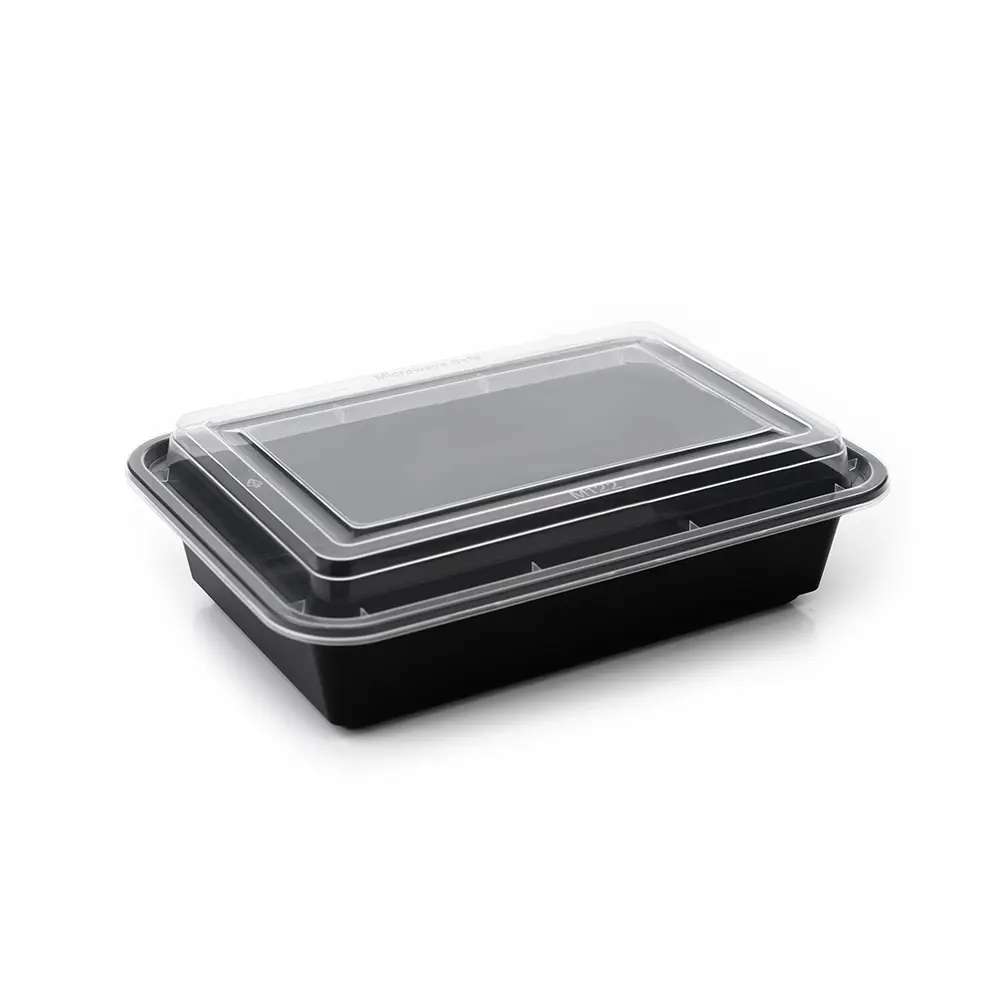
In fact, most problems when importing from India to USA start with the supplier, not the shipping. Therefore, check the points below before you place a trial order. A direct manufacturer-exporter such as Weorex can usually answer all of them in writing.
- Export experience: ask which countries they ship to and for a recent bill of lading or shipping reference.
- Food-grade material documents: resin grade, food-contact test reports and material declarations for every product line.
- Samples first: test lid fit, leak resistance and heat performance with your own food before you approve production.
- Clear MOQ and lead time: minimum order quantity per size, production days and loading date in the proforma invoice.
- Packing details: pieces per carton, carton size and gross weight – you need these to plan container loading.
Step 2: Classify Your Products (HTS Codes)
Every product entering the US needs a Harmonized Tariff Schedule (HTS) code. Because the code decides the duty rate and which rules apply, agree on the codes with your supplier and your customs broker before the first shipment. That way the invoice, packing list and customs entry all match.
| Product | Typical HTS heading | Notes |
|---|---|---|
| PP food containers and lids | 3924.10 – plastic tableware and kitchenware | Confirm the full 10-digit code with your broker |
| Plastic boxes and containers for packing goods | 3923.10 / 3923.30 | Used when the item is classed as a transport package |
| Kraft paper bags | 4819.30 / 4819.40 | Depends on the width of the bag base |
| Paper food boxes and cartons | 4819.10 / 4819.20 | Corrugated or folding cartons |
Check the duty rate before you order
US duties on goods from India changed several times in 2025 and 2026. Moreover, additional duties can apply on top of the normal HTS rate. For this reason, always confirm the current rate on the USITC tariff database or with your customs broker before you confirm a purchase order – it directly affects the landed cost of importing from India to USA.
Step 3: Meet FDA Food-Contact Requirements
Food packaging sold in the US must be made from materials that are safe for food contact. For polypropylene containers, the relevant FDA rule is 21 CFR 177.1520 (olefin polymers), while paper packaging that touches food falls under 21 CFR 176.
Packaging factories do not need FDA food-facility registration. Even so, you should keep a compliance file for every product:
- A food-contact compliance statement or test report from an accredited lab.
- The resin or paper grade and its intended use temperature.
- A California Proposition 65 statement if you sell into California.
- Batch or lot marking on cartons so you can trace any quality issue.
Step 4: Plan Shipping When Importing from India to USA
Most packaging moves by sea. Since food containers are light but bulky, the container volume – not the weight – usually decides your cost per piece.
| Option | Best for | Typical transit |
|---|---|---|
| LCL (shared container) | Trial orders and mixed small lots | Longer – extra consolidation time |
| 20 ft FCL | Regular orders of one or two product lines | About 30–45 days port to port |
| 40 ft / 40 ft HC FCL | High-volume containers and lids | About 30–45 days, lowest cost per piece |
Agree on the Incoterm
FOB (your forwarder books the ocean freight) gives you control over the shipping line and cost. On the other hand, CIF (the supplier books freight to a US port) is simpler for a first order. In both cases, write the Incoterm, port of loading and port of discharge on the proforma invoice.
Step 5: US Customs Clearance Checklist
A licensed US customs broker files your entry. However, you are still responsible as the importer of record, so make sure these are in place before the vessel sails:
- Importer Security Filing (ISF 10+2) – must be filed at least 24 hours before the cargo is loaded at the Indian port.
- Customs bond – a single-entry or continuous bond for commercial shipments.
- Commercial invoice and packing list – matching quantities, values and HTS codes.
- Bill of lading – released by the supplier once payment terms are met.
- Certificate of origin – shows the goods were made in India.
Step 6: Calculate the Landed Cost of Importing from India to USA
Compare suppliers on landed cost, not on factory price. In other words, your cost per piece includes the product price, export packing, ocean freight, insurance, US duty and any additional duties, customs broker fees, port and terminal charges, and inland trucking to your warehouse.
Finally, ask your supplier for a container loading plan. It shows exactly how many cartons fit in a 20 ft or 40 ft container, which is the number you divide your freight cost by.
Related Pages
- Food container exporter companies in India – how Weorex supports export buyers
- Plastic container exporter in India – food-grade PP containers for export
- Take away food container manufacturer – delivery and takeaway packaging
- Buyer's guide to sourcing paper bags from India
Frequently Asked Questions
Is importing from India to USA cheaper than other countries?
For many food packaging items the factory price is competitive. The real answer depends on landed cost – freight, duty and any additional duties – so compare suppliers per piece delivered to your warehouse, not on the quotation alone.
What documents do I need to import packaging from India?
A commercial invoice, packing list, bill of lading, certificate of origin, an ISF filing, a customs bond and food-contact compliance documents for each product. Your customs broker files the entry.
How long does a shipment from India to the USA take?
Production usually takes a few weeks after sample approval, and sea freight from Indian ports to US ports typically takes about 30–45 days depending on the route and the US coast.
Can Indian manufacturers do private-label food packaging?
Yes. Export-focused factories routinely print your brand, use your carton marks and pack counts, and supply matching documents for your market.
Plan Your First Shipment from India
Weorex manufactures and exports food containers and packaging from Madurai, Tamil Nadu, with export documentation, samples and container loading plans for US buyers. Tell us your products, volumes and destination port and we will send a quotation with packing details.
Request a quote: weorex.com/contact-us
Share this article